Top 5 Differences Between Flutter and React Native in 2026
-
March 16, 2026

Introduction to Flutter and React Native
Flutter and React Native are two leading frameworks in mobile app development. Each of these frameworks offers unique features, making them appealing based on specific business needs.
Overview of Flutter
Flutter, developed by Google, allows for the creation of natively compiled applications from a single codebase. It uses Dart, a modern programming language that is growing in popularity.
Key advantages of Flutter include:
- Fast Development: Hot reload features enable developers to see updates in real-time.
- Rich Widgets: A comprehensive library of customizable widgets helps create visually attractive UIs.
- Cross-Platform Capability: Suitable for both iOS and Android with a consistent user experience.
Overview of React Native
React Native, created by Facebook, enables developers to write components in JavaScript. This facilitates a smooth development process while maintaining a native look and feel.
Core benefits of React Native include:
- Wide Adoption: Strong community support led to extensive third-party libraries.
- Performance: Native components ensure efficient performance across devices.
- Reusable Code: It allows for significant code reuse, saving development time and costs.
Importance of Choosing the Right Framework
Selecting the appropriate framework is crucial for your mobile app's success. The choice influences:
- Development Speed: Frameworks with rapid prototyping capabilities can reduce time-to-market.
- User Experience: Each framework has distinct UI and UX strengths that affect user engagement.
- Budget Constraints: Understanding the cost implications of each framework aids in budget planning (How Much Does It Really Cost to Build an App in 2024).
Businesses must assess their specific requirements to determine which framework suits their project best.
Current Market Trends in Mobile App Development
As of 2026, mobile app development is experiencing a transformation driven by several trends:
- Increased Demand for AI Integration: Modern apps are harnessing AI and machine learning for enhanced user experiences.
- Focus on Cross-Platform Solutions: Companies prefer frameworks that support multiple platforms to optimize resources.
- Emphasis on Performance and UX: Businesses prioritize speed and intuitive design to compete in a crowded marketplace.
Emerging technologies in mobile app development underscore the importance of staying current.
"The right framework can significantly enhance app performance and user satisfaction, leading to better business outcomes."
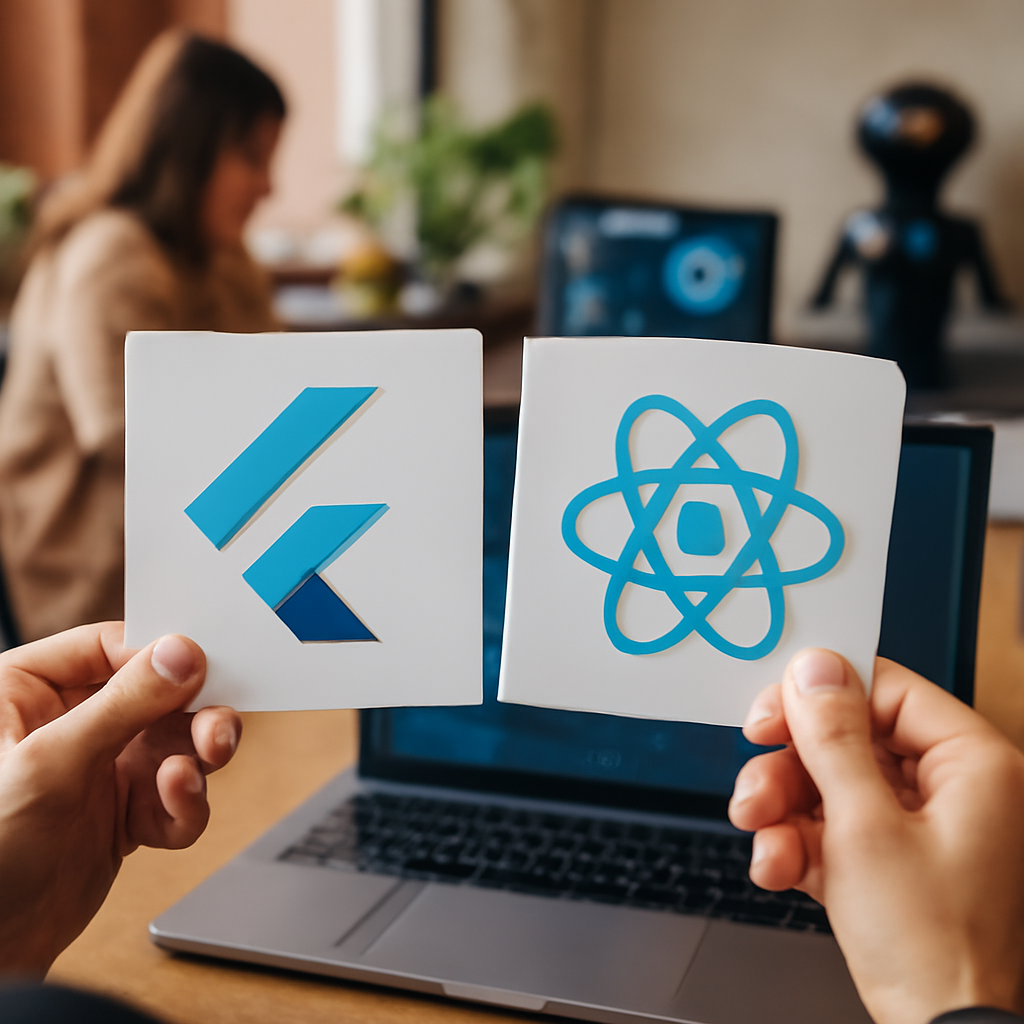
Performance Comparison: Flutter vs React Native
Flutter applications are known for their impressive speed and efficiency. Built with Dart, Flutter leverages a highly optimized engine that renders UIs at 60 frames per second (FPS). This capability means that users experience smooth animations and transitions, leading to increased satisfaction.
React Native's Performance Insights
React Native, developed by Facebook, provides a different approach. It uses a bridge for communication between JavaScript and native components, which can introduce latency. However, it allows developers to write code once and deploy across platforms. In many cases, this results in satisfactory performance. However, applications heavy on animations or complex UIs may experience noticeable lags.
Benchmark Tests: Which Framework Performs Better?
Benchmark tests are crucial in determining which framework is superior. Recent studies indicate that:
- Flutter often outperforms React Native in speed, especially for apps with heavy graphics.
- React Native tends to perform well for simpler apps and UI elements (React Native vs Flutter: What to Choose in 2025).
These tests highlight the importance of the project requirements when choosing between Flutter and React Native.
"Choosing the right framework can significantly impact your app's performance and user experience."
In terms of memory usage, Flutter applications generally consume less memory, leading to better performance on devices with limited resources.

In conclusion, deciding between Flutter and React Native should hinge on your specific project needs. If speed and high-end performance are critical, Flutter may be the best option. Conversely, for projects where rapid development and cross-platform compatibility are priorities, React Native shines.
Overall, both frameworks have their strengths. Conducting thorough performance assessments specific to your application's requirements will ensure you're positioned for success.
UI/UX Capabilities: Visual Appeal and Usability
Flutter’s widget architecture offers significant customizability for businesses aiming to tailor their applications. Its rich library of pre-designed widgets enables developers to create visually engaging interfaces that align with brand identities.
Customizability of Flutter Widgets
Flutter allows developers to modify its core widgets easily. This flexibility empowers businesses to realize unique designs without extensive code rewriting. Key features include:
- Material Design and Cupertino Widgets: Create apps that feel native on both Android and iOS platforms.
- Themes and Styles: Developers can implement custom themes that resonate with brand aesthetics.
- Dynamic Content: Widgets can adapt in real-time to user interactions, enhancing user engagement.

React Native's Native Components
Similarly, React Native excels in leveraging native components, making it an ideal choice for applications requiring high performance and responsiveness. With React Native, businesses can:
- Explore Native Capabilities: Access native APIs seamlessly, optimizing performance while maintaining design finesse.
- Reuse Components: Save development time by reusing components across different platforms.
- Responsive Adjustments: Employ component-based architecture, ensuring a dynamic and responsive design that adjusts to various screen sizes.
Even though React Native provides solid performance through its native components, Flutter’s approach to widget customization often yields more design flexibility.
User Experience: Which Framework Provides Better Design Flexibility?
When comparing user experience between Flutter and React Native, design flexibility shines as a primary differentiator. Flutter’s customizable widget tree enables:
- Unique, One-of-a-Kind Designs: Each screen can be crafted without adhering to rigid design systems, offering unique user experiences.
- Faster Prototyping: Rapid iterations can be made on UI without compromising quality, significantly reducing time to market.
“The ease of customization in Flutter surpassed our expectations, allowing a unique and engaging user experience that truly represented our brand.” - A CFO from a leading tech company.
In contrast, React Native, while functional, may require more effort to achieve an app's specific design vision due to its reliance on native components. Companies looking for distinctive customizations or personalized user interactions may find Flutter to be more suitable for their needs, thereby aligning with current digital consumer expectations.
Choosing between Flutter and React Native ultimately hinges on your project requirements. By leveraging Ptolemay’s expertise in these frameworks, businesses can gain tailored app development solutions that highlight visual appeal and usability, paving the way for engaging user experiences.
Development Process and Community Support
Flutter and React Native present businesses with distinct pathways for development. Their programming languages and development environments play a crucial role in the speed and efficiency of app creation.
Coding Experience: Flutter's and React Native's Programming Languages
Flutter uses Dart, which is designed for high performance and rapid development. Dart’s syntax is clean, empowering developers to create applications efficiently.
In contrast, React Native relies on JavaScript, a versatile language familiar to many developers. This familiarity facilitates quicker onboarding for teams already versed in web development.
Each framework's programming language aligns well with their intended use cases, catering to different business needs and tech stacks.
Visual Studio vs Expo for App Development
When it comes to development environments, Visual Studio and Expo serve distinct purposes:
- Visual Studio offers a comprehensive IDE, ideal for Flutter development. It provides robust debugging tools, performance insights, and extensive support for plugins.
- Expo, on the other hand, is a framework built on top of React Native. It simplifies initial setup and enables developers to prototype rapidly, albeit with some limitations.
Choosing the right environment depends on your development team's preferences and the specific requirements of your project.
Community Resources and Support: Which Framework Has the Edge?
Both Flutter and React Native boast extensive community support, but their resources differ significantly.
- Flutter has vibrant community forums, comprehensive documentation, and an increasing number of third-party plugins. This wealth of resources eases onboarding and troubleshooting.
- React Native benefits from a larger JavaScript ecosystem, fostering community contributions and numerous libraries. Resources like Stack Overflow and GitHub further enhance developer support.
As a result, businesses can find solutions and assistance across both platforms. However, React Native's long-standing presence may give it a slight edge in terms of community resources.
Flutter's official documentation is often praised for its clarity, making it easier for newcomers.
Consider how these elements align with your own app development goals. Businesses seeking robust support might lean towards React Native for its extensive resources, while those looking for modern frameworks may find Flutter suitable.
The choice between Flutter and React Native hinges on the specific needs of your project and your team's technical capabilities. Make informed decisions to drive your app to success.
Long-term Viability: Which Framework to Choose for 2026?
Flutter continues to hold a prominent position in the mobile app development landscape in 2026. Its unique architecture and performance optimizations allow developers to create fast, visually stunning applications. Built using Dart, Flutter provides businesses with a versatile framework to deliver cross-platform apps with a native look and feel.
Current Relevance of Flutter in 2026
The significance of Flutter lies in its ability to seamlessly integrate with existing ecosystems while providing exceptional performance. Key advantages include:
- Rapid Development: Hot reload features enable quick iterations, significantly reducing time-to-market.
- Cross-Platform Compatibility: With a single codebase, businesses save on development costs while maintaining high-quality user experiences.
- Strong Community Support: The growing community contributes to a wealth of plugins and libraries, enhancing development capabilities.
Flutter's adaptability to industry needs is evident in its ongoing updates and feature releases, keeping it relevant amid evolving technological landscapes.
Future Predictions: Will Flutter Overtake React Native?
The debate over whether Flutter will surpass React Native continues. While React Native has a head start, Flutter’s growing traction indicates potential for overtaking. Factors influencing this forecast include:
- Performance Efficiency: Flutter's performance enhancements suggest it can handle more complex applications than React Native.
- Increased Adoption: With major enterprises adopting Flutter for their app needs, momentum is building.
- Enhanced Documentation: As Flutter improves documentation and resources, developers are more inclined to choose it.
If trends continue, Flutter may not only gain parity but could position itself as the go-to framework for modern applications.
Key Considerations for Businesses in Selecting a Framework
Choosing the right framework is crucial for app development success. Businesses should assess the following factors:
- Project Requirements: Understand your specific app needs, including functionalities and user experiences.
- Development Team Expertise: Align your choice with the skill set of your development team to minimize learning curves.
- Long-term Maintenance: Consider the framework’s robustness for future updates and scalability.
- Community and Ecosystem: Evaluate the strength of support and resources available for troubleshooting and enhancements.
"Selecting a framework is not just about current trends; it's about future-proofing your investment."
Careful consideration of these factors will help ensure that the framework chosen aligns with both immediate goals and long-term business strategies.
Technical Specifications: Making Informed Decisions
Clear and detailed technical specifications are crucial for the success of any app development project. They guide the development process and ensure that all stakeholders have a shared understanding of project requirements. A lack of specificity can lead to misunderstandings, delays, and cost overruns.
Role of Ptolemay in Custom App Development
Ptolemay specializes in crafting custom app development solutions that cater to unique business needs. By collaborating closely with clients, we create comprehensive technical specifications that:
- Clarify Objectives: Outline clear goals for the project.
- Define Functionalities: Specify features and user interactions.
- Establish Timelines: Provide realistic timelines for milestones.
Our expertise ensures that every aspect of the app is aligned with your business strategy, reducing the risk of miscommunication and enhancing project efficiency.
Free Technical Specifications Resource
To facilitate informed decision-making, Ptolemay offers a valuable free resource for developing technical specifications tailored to app projects. This resource includes:
- Templates: Detailed templates to help outline essential project components.
- Best Practices: Guidelines on creating effective specifications.
- Common Pitfalls: Insights on common errors to avoid during the documentation phase.
Utilizing these materials can empower businesses to lay a solid foundation for their development projects, ensuring better communication and project outcomes.
"Well-defined technical specifications are the backbone of successful app development."
In the fast-evolving tech landscape of 2026, leveraging advanced technologies such as AI and machine learning is essential. Clear technical specs can outline how these technologies will be integrated into the application, enhancing both functionality and user experience.
Making Informed Choices
When businesses prioritize detailed technical specifications, they significantly improve their chances of delivering successful applications. Ptolemay stands ready to guide you through every phase of the app development process, ensuring that your project meets your strategic goals.
For further insights, check out this relevant video on understanding technical specifications in app development: .
By partnering with Ptolemay, you can tackle your app development challenges with confidence and clarity.
Conclusion: Choosing the Right Framework for Your Business
Choosing the right framework for your business ultimately hinges on understanding the unique features of Flutter and React Native. Both frameworks have established themselves as leaders in mobile app development, yet they serve different business needs.
Recap of Flutter and React Native Features
Flutter
- Performance: Known for its high-speed execution due to direct compilation to native code.
- Customizability: Offers a widget-centric architecture allowing thorough customization with ease.
- Single Codebase: Supports both iOS and Android applications, streamlining the development process.
React Native
- Community Support: A vast community provides rich libraries and continuous updates.
- JavaScript Compatibility: Leverages JavaScript, making it easier for web developers to transition to mobile development.
- Hot Reloading: Enables real-time changes to the app during development, speeding up the debugging process.
Final Thoughts on Making an Informed Choice
The decision on which framework to adopt should align with your specific project requirements. Consider factors such as:
- Target Audience: Know your users and the devices they primarily use.
- Project Scope: Analyze the complexity and features needed in your application.
- Long-term Strategy: Assess which framework aligns with your future development plans.
Engaging in thorough research and validation of these criteria will lead to a more confident decision.
“Choosing the right framework can significantly affect the success and longevity of your app.”
Encouragement to Reach Out to Ptolemay
To navigate the complexities of app development, it's crucial to partner with experts who can provide tailored solutions. Ptolemay specializes in modern app development, focusing on AI and machine learning technologies.
If detailed technical specifications and customized frameworks are what you need, reaching out for a consultation can pave the way for your app's success.
Meet Our Expert Flutter Development Team
Our full-cycle Flutter development team at Ptolemay specializes in building high-quality, cross-platform apps from start to finish. With expert skills in Dart, backend integrations, and seamless UX across iOS and Android, we handle everything to make your app launch smooth and efficient.






.png)